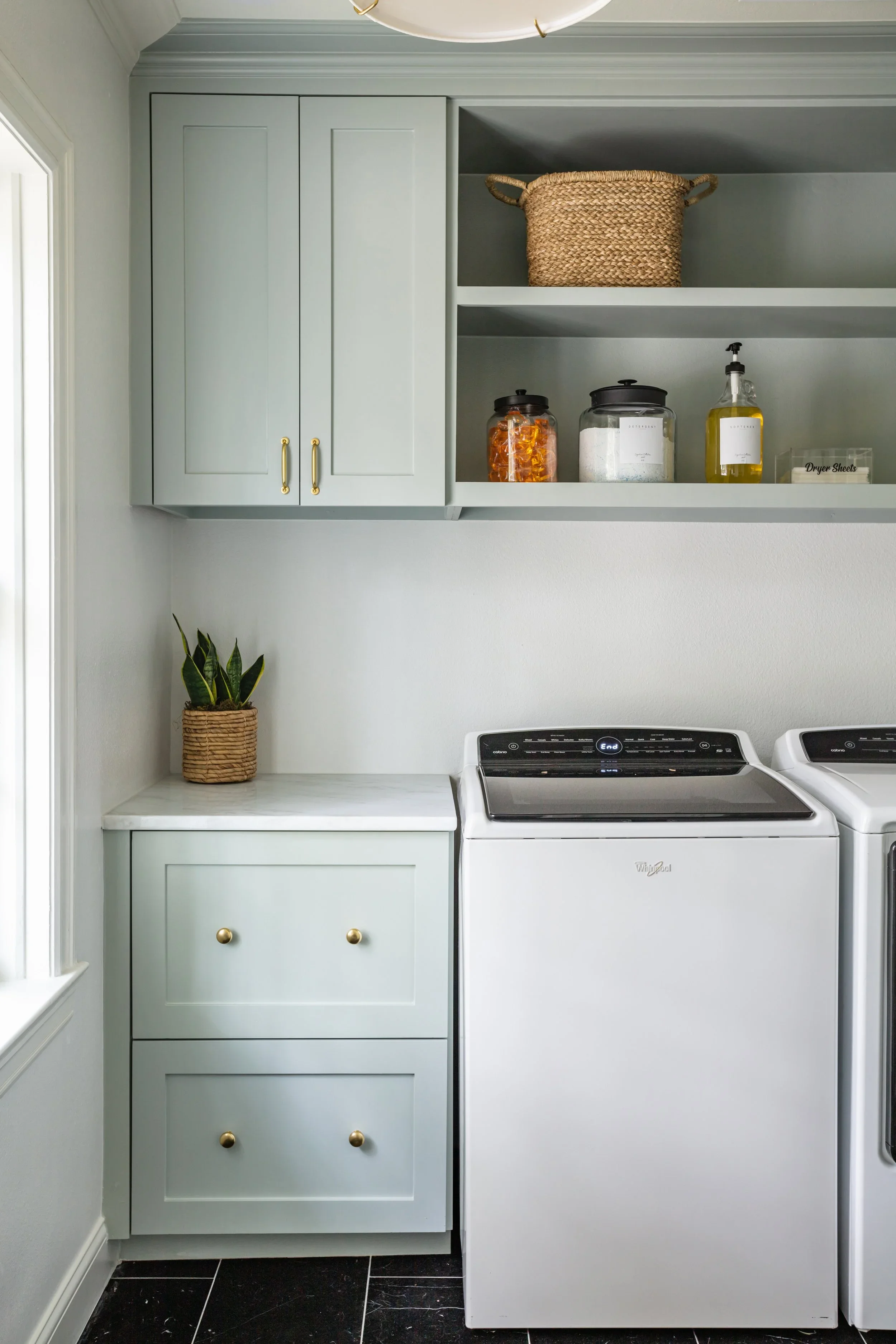
5 Things We Wish Every Homeowner Knew Before Building a Garage Apartment
After building 45+ garage apartments across DFW, we've seen the same mistakes happen over and over. Here's what to know before you start.
What We've Learned After 45+ Builds
We've been building garage apartments and ADUs across Dallas–Fort Worth since 2016. In that time, we've seen homeowners make the same mistakes over and over — not because they're careless, but because the process isn't well-documented anywhere.
This is our attempt to fix that. Here are the five things we genuinely wish every homeowner knew before they started.
1. The Permit Process Takes Longer Than You Think — and That's Okay
The #1 source of frustration we hear from homeowners isn't the construction — it's the wait for permits.
In Fort Worth, a straightforward residential permit takes 4–6 weeks. In Dallas, if you need a Board of Adjustment exception, you're looking at 60–90 days before you can even pull a building permit. Some cities add additional review layers for ADU projects.
Homeowners who don't know this go in expecting to break ground in a few weeks and get frustrated when construction hasn't started after two months. The ones who plan for it use that time productively — finalizing designs, making material selections, and getting financing in place.
What to do: Ask your builder for a realistic timeline that includes permitting, not just construction. If they don't have a clear answer, that's a red flag.
2. "Adding a Garage Apartment" Is Actually Three Projects in One
Design. Permitting. Construction. These aren't steps in a single project — they're three distinct professional disciplines that have to coordinate with each other.
The design has to account for zoning requirements before it's drawn. The permit application has to match the design exactly. The construction has to match the permitted drawings or you'll face stop-work orders and re-inspections.
Most homeowners try to manage these three moving parts themselves — hiring an architect here, a builder there, filing permit paperwork themselves. The coordination gaps between them are where projects fall apart.
What to do: Find a builder who does all three under one roof. It's not just more convenient — it's fundamentally less risky. When one team is responsible for all three phases, the coordination happens internally, not between companies that have never worked together.
3. The First Cost Estimate Is Almost Never the Final Cost
We try to give homeowners realistic budget ranges as early as possible. But "realistic" is a relative term before we've seen the property.
Site conditions can move the number significantly. A lot with drainage issues might need grading work before a foundation can be poured. An existing garage with rotted framing might need structural repairs before conversion makes sense. A property near a utility easement might limit where a detached structure can go.
None of these things are visible until we've walked the property. That's why we don't quote a fixed price until we've done a site visit.
What to do: Build a 15–20% contingency into your budget from day one. Not because something will necessarily go wrong — but because it might, and you don't want to be caught short in the middle of a project.
4. The Right Structure Type Depends on Your Lot, Not Just Your Budget
We get a lot of calls that start with: "I want to build a detached ADU." When we visit the property, we sometimes find that a detached structure isn't feasible — there's not enough lot coverage available, the setbacks are too tight, or the soil conditions make a new foundation prohibitively expensive.
Other times, a homeowner calls wanting a simple garage conversion, and we discover they have a perfect 30-foot backyard that would make a beautiful detached structure for $60,000 more than they'd planned — and generate twice the rental income.
The point is: the right structure type depends on your lot, your zoning, and your goals — not just what sounds good in the abstract.
What to do: Come to your first consultation open to all four structure types. Tell us what you're trying to accomplish, and let us recommend the type that makes the most sense for your specific situation.
5. Rental Income Is Real — But the Math Takes Time
We've built garage apartments for homeowners who went from skeptical to true believers within 12 months of their first tenant moving in. A garage apartment that rents for $1,600/month generates $19,200/year. Over 10 years, that's $192,000 in gross income on a project that might have cost $80,000 to build.
But here's what the math doesn't show: it takes time. The first few months involve finding a tenant, handling the first maintenance issue, figuring out your lease terms. Most homeowners break even on paper in year 5–7, not year 2.
If you're building for rental income, build it right — not cheap — and plan for a 7–10 year payback period. The ones who try to cut corners to accelerate ROI end up with a unit that's harder to rent and costs more to maintain.
What to do: Think of a garage apartment like any long-term investment. The returns are real, but they compound over time. The homeowners who win are the ones who build something they'd be proud to live in themselves.
One More Thing
If you take away only one thing from this list, make it this: talk to a builder who's actually done this before in your city. Not a general contractor who does "ADUs sometimes." Someone who has navigated the specific permit process in your specific city, with your specific zoning district.
The difference in project outcome is enormous. We'd be happy to be that builder for you.
Ready to Start Your Garage Apartment Project?
Schedule a free consultation and get answers specific to your property — no obligation.
Related Articles
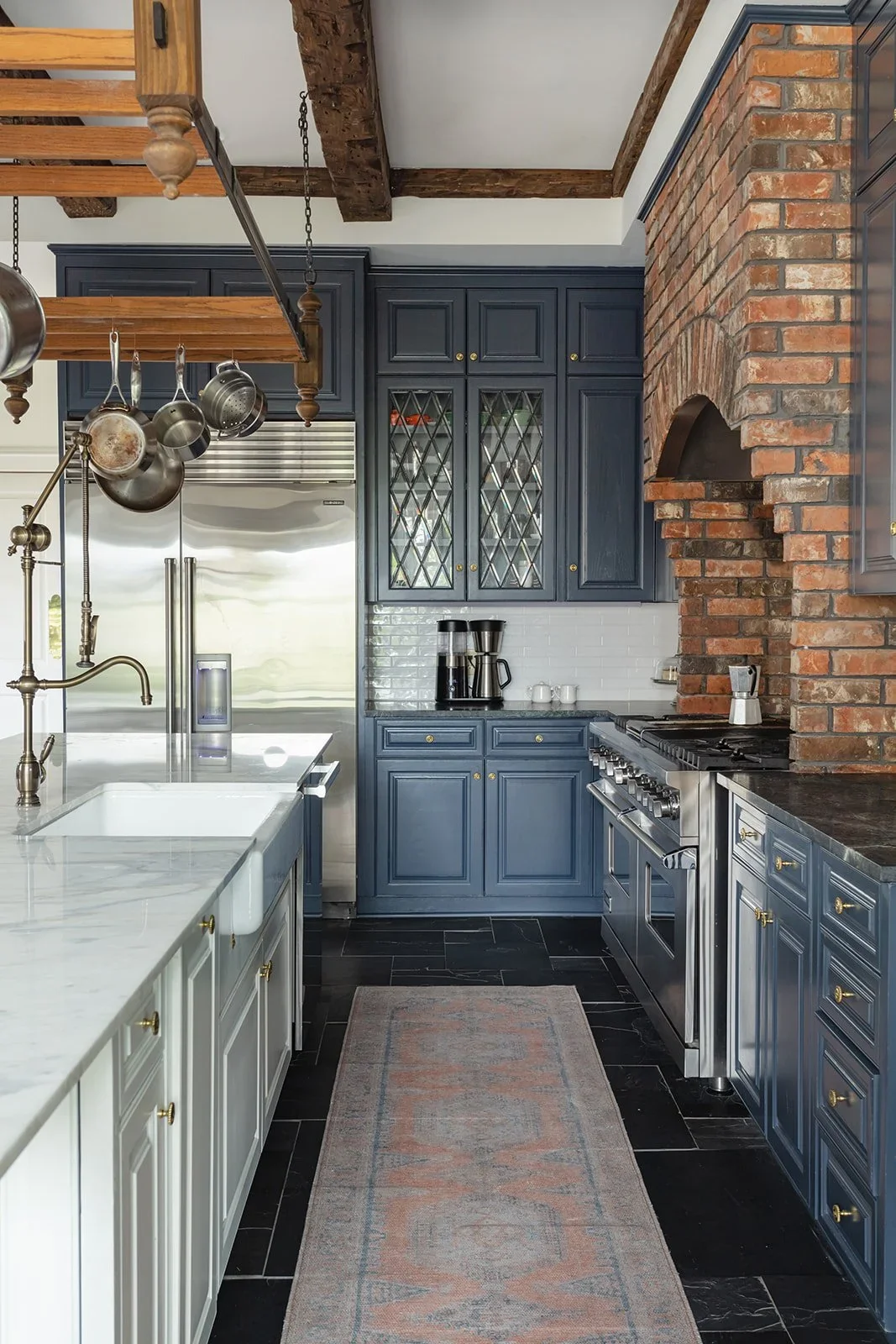
How Long Does It Take to Build a Garage Apartment in DFW? A Real Timeline
From first consultation to move-in day — a realistic, month-by-month timeline for garage apartment projects in DFW, based on 45+ completed builds.
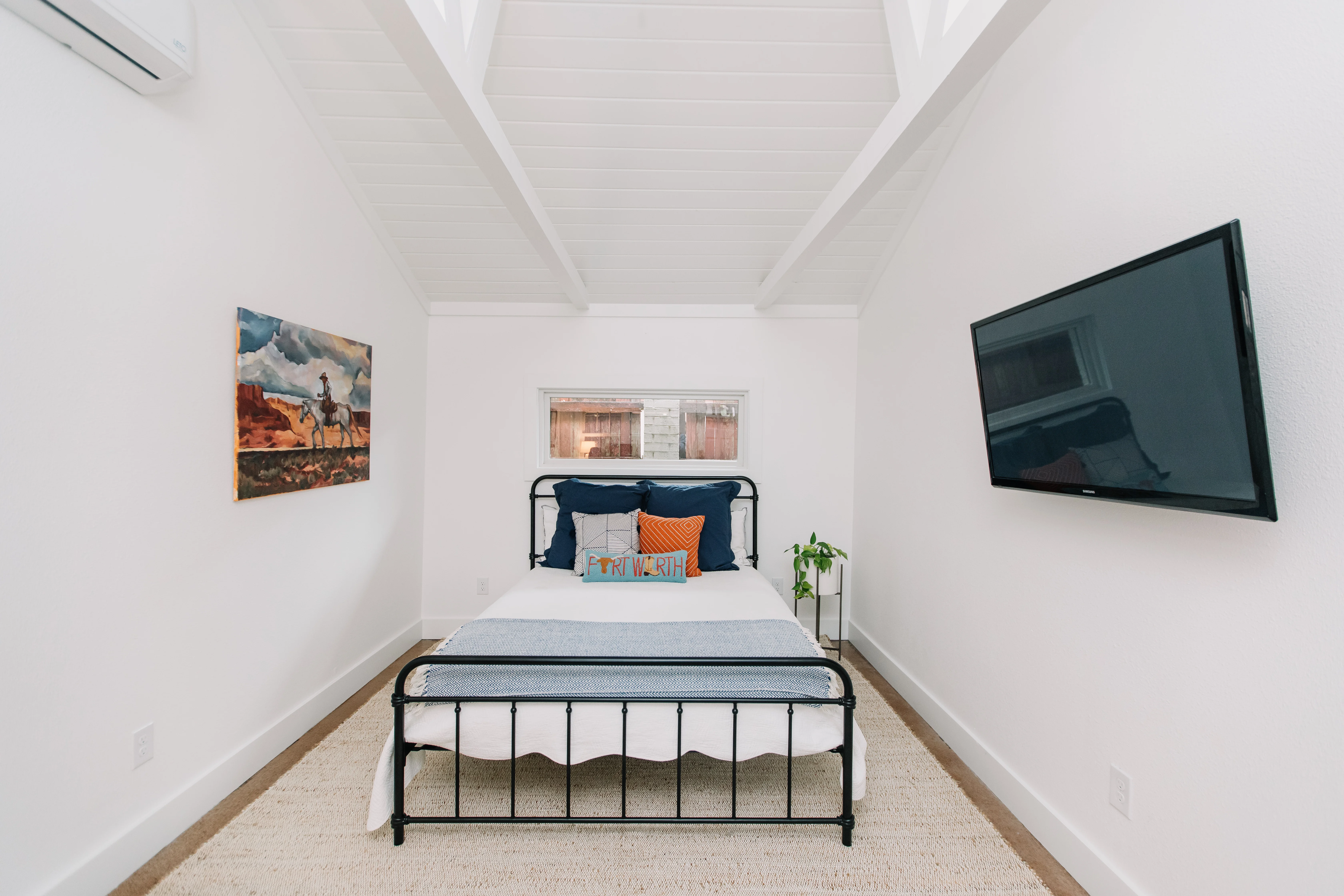
Multigenerational Living in DFW: How Garage Apartments Are Keeping Families Close
Across DFW, families are building garage apartments and guest houses to create independent living space for aging parents and adult children — without giving up privacy.