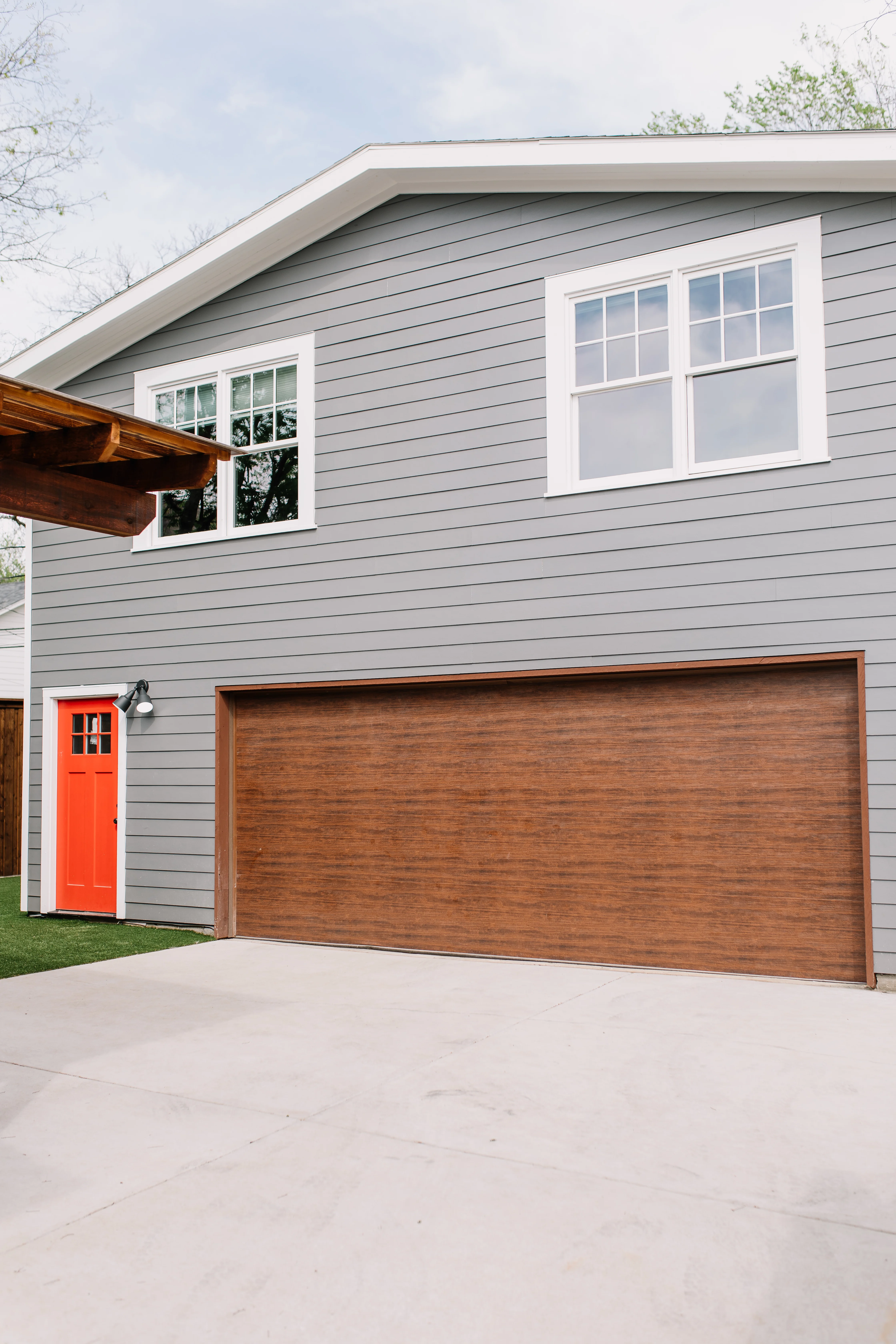
An above-garage apartment gives you the best of both worlds: a full, separate living space on your property — and you keep the garage below. It's one of the most popular builds for homeowners who want rental income without sacrificing parking or storage.
Building above an existing garage is typically more cost-effective than constructing an entirely new two-story structure from scratch. We evaluate the current garage's foundation and framing, determine what structural reinforcement is needed, and design the apartment to fit your property and budget.
Above-garage apartments in DFW typically range from $80,000 to $200,000. The main variables are square footage, whether the existing garage needs structural upgrades, and the level of finish. We'll walk you through a realistic number at your first meeting.
What Goes Into Building Above a Garage
Above-Garage Apartment Zoning in DFW
Height Limits: Building above a garage adds height that isn't there for ground-floor conversions. Every city in DFW sets maximum ADU heights — typically 25–35 feet — and your design must stay within those limits. We factor this into design from the start.
Fort Worth: Generally allows above-garage construction within height limits. No owner-occupancy requirement makes it ideal for rental use.
Dallas: Overlay districts govern ADU construction. Some neighborhoods have more flexibility than others — we research your specific address.
Setbacks: Adding height to a structure can bring new setback scrutiny. We confirm setback compliance early to avoid redesigns.
How Long Does an Above-Garage Apartment Take?
Structural assessment, floor plan development, and material selections.
Permit timelines vary by city. Structural drawings add review time.
Structural work, framing, rough-in, drywall, finishes, and punch list.
Total: 4–7 months from first conversation to final walkthrough.
Is an Above-Garage Apartment Worth It?
The key advantage over a garage conversion: you don't give up anything. Your garage stays a garage. The apartment above it is entirely additive — new square footage, new rental income potential, new equity. For homeowners who rely on their garage for parking or workshop space, this is often the right call.
Frequently Asked Questions About Above-Garage Apartments
Can I build an apartment above my existing garage?
In many cases, yes — but it depends on the structural integrity of your current garage's foundation and framing. We do a structural assessment during our first visit to determine what's feasible.
How much does an above-garage apartment cost in DFW?
Most above-garage apartments in DFW run $80,000–$200,000. Building above an existing garage is typically less than constructing a brand-new two-story garage-and-apartment structure.
Do I need separate utilities for an above-garage apartment?
It depends on your city and your plans. Separate meters make sense for rental units. We help you determine what's required and what's smart for your situation.
Is it cheaper to convert a garage or build above it?
Garage conversions are usually cheaper ($40K–$100K) because you're working within an existing structure. Above-garage apartments cost more ($80K–$200K) but you keep your garage and gain more square footage.
What's the fire code for an apartment above a garage?
Texas and most DFW cities require a 1-hour fire-rated assembly between the garage and the living space above. This includes fire-rated drywall, sealed penetrations, and a self-closing fire-rated door if there's interior access.